We believe that to achieve excellence, innovation and robust engineering practices must go hand-in-hand
Our aim is to drive that innovation to make a positive impact on projects, technologies and the future
MECHANICAL | SYSTEMS | STRUCTURAL
With expertise in off and on-shore energy, space, construction and product development, we bring a track record of advanced innovation coupled with practical delivery. From feasibility to de-commissioning, we span the full life-cycle of engineering development, to turn ideas and projects into reality.
Riptide Engineering brings the rigorous processes and methodologies of a large established engineering firm, whilst maintaining the agility and flexibility of a small team. We meet the needs of each specific project, tailored to prevent wasted time and resource, whilst delivering the highest quality output.
We offer end-to end engineering support which quickly and efficiently slots into your project team. We provide practical and innovate engineering design and analysis to accelerate delivery and optimise solutions.
Technology development can feel like you are swimming out against the breaking waves. It can be hard to keep control, you are being pulled in all directions, and the best route forward can be unclear. Our experience in navigating uncertainty in technology development enables us to bring clarity and development focus. We can help you navigate the waves with a streamlined approach, like a rip taking you out beyond the break into calmer waters.
Bringing robust and proven practices from our work delivering complex projects, we couple innovation with structure, strategy and engineering best practice. From new ideas for small teams, to improving existing designs for large infrastructure projects, we accelerate new technology towards commercialisation.
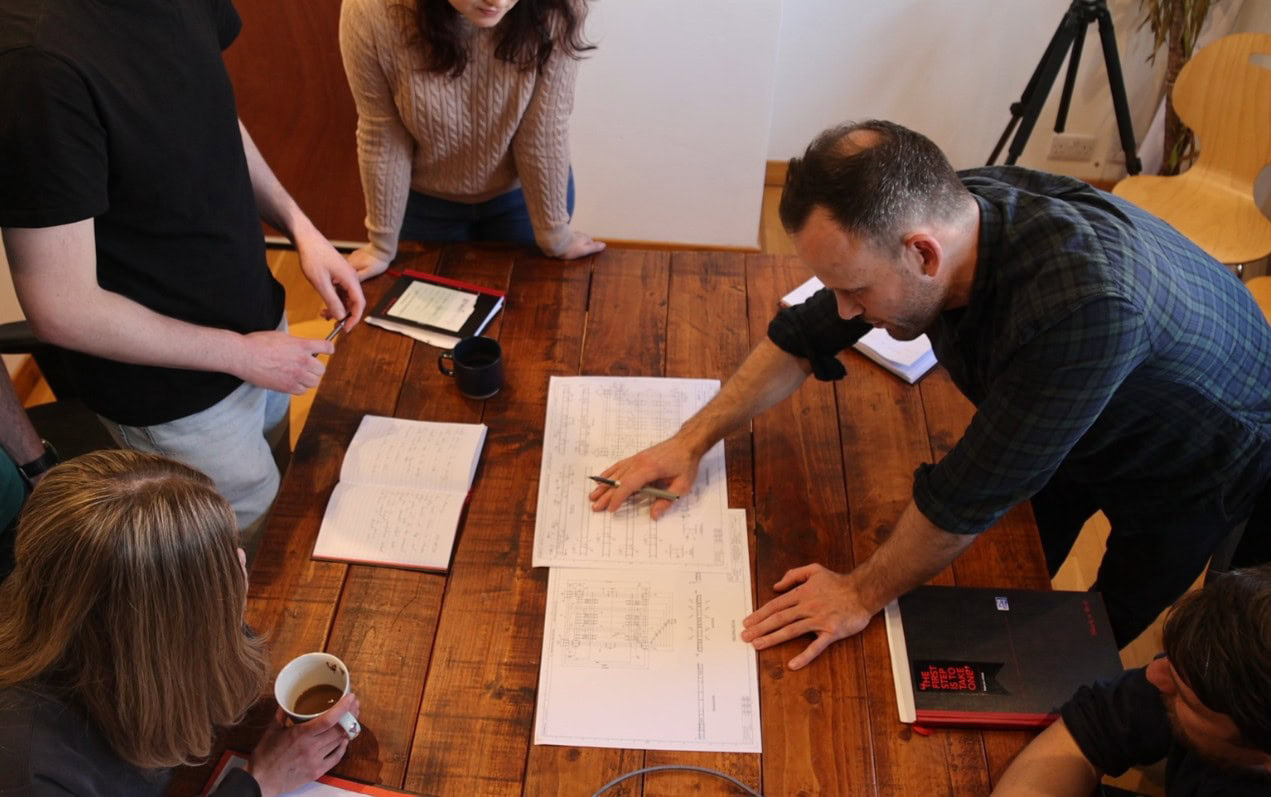
Steven is a seasoned engineer with a proven track record in delivering innovative design and analysis solutions across complex engineering challenges. Having played critical roles in offshore wind, energy storage and construction projects, he helps clients navigate technical complexity with confidence and precision.
Jack brings creativity and innovation to engineering, with a passion for developing meaningful ideas and concepts into robust proven technology. He thrives on solving complex multidisciplinary engineering challenges and delivering high performance technical projects across a range of sectors.
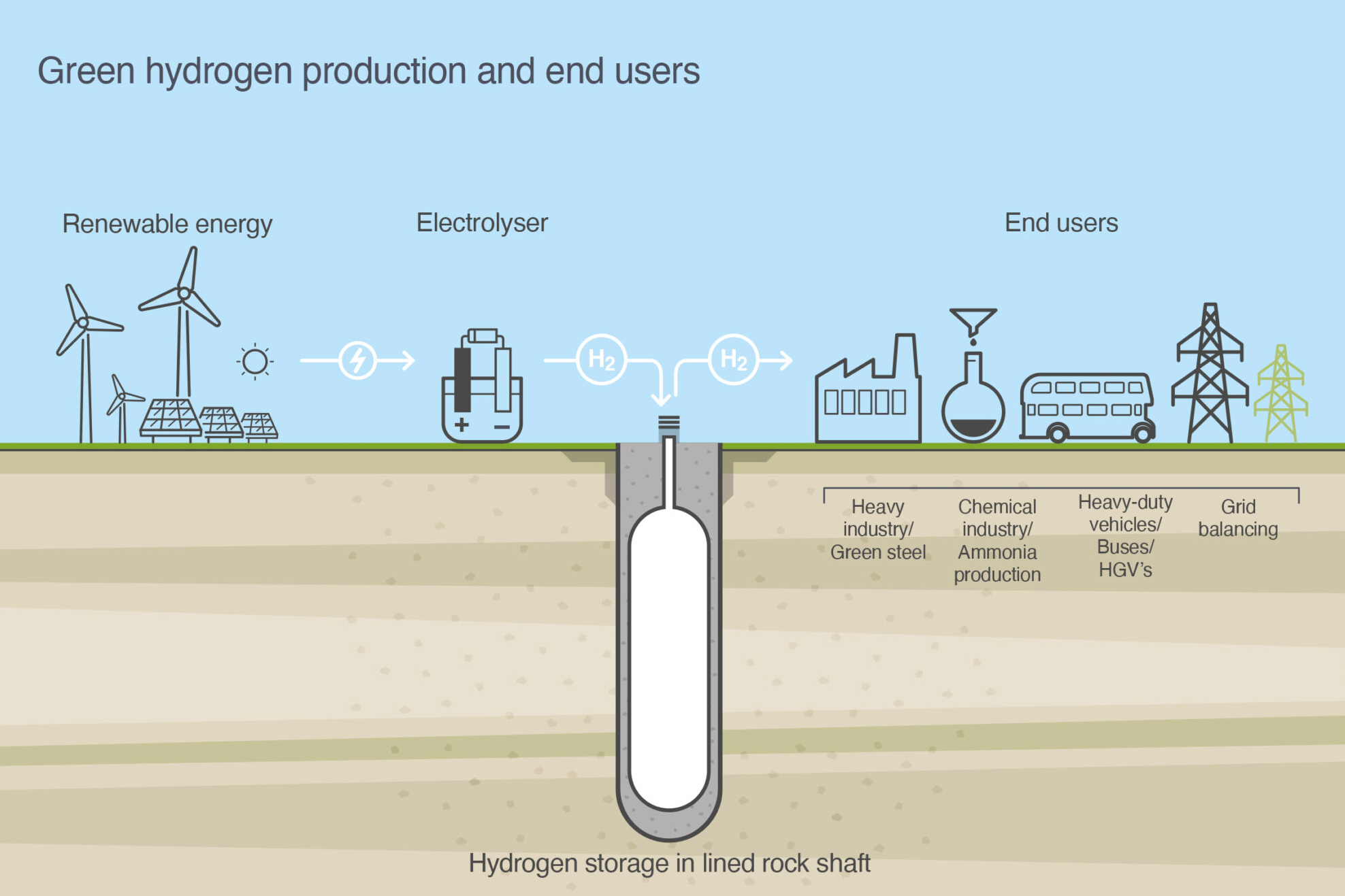
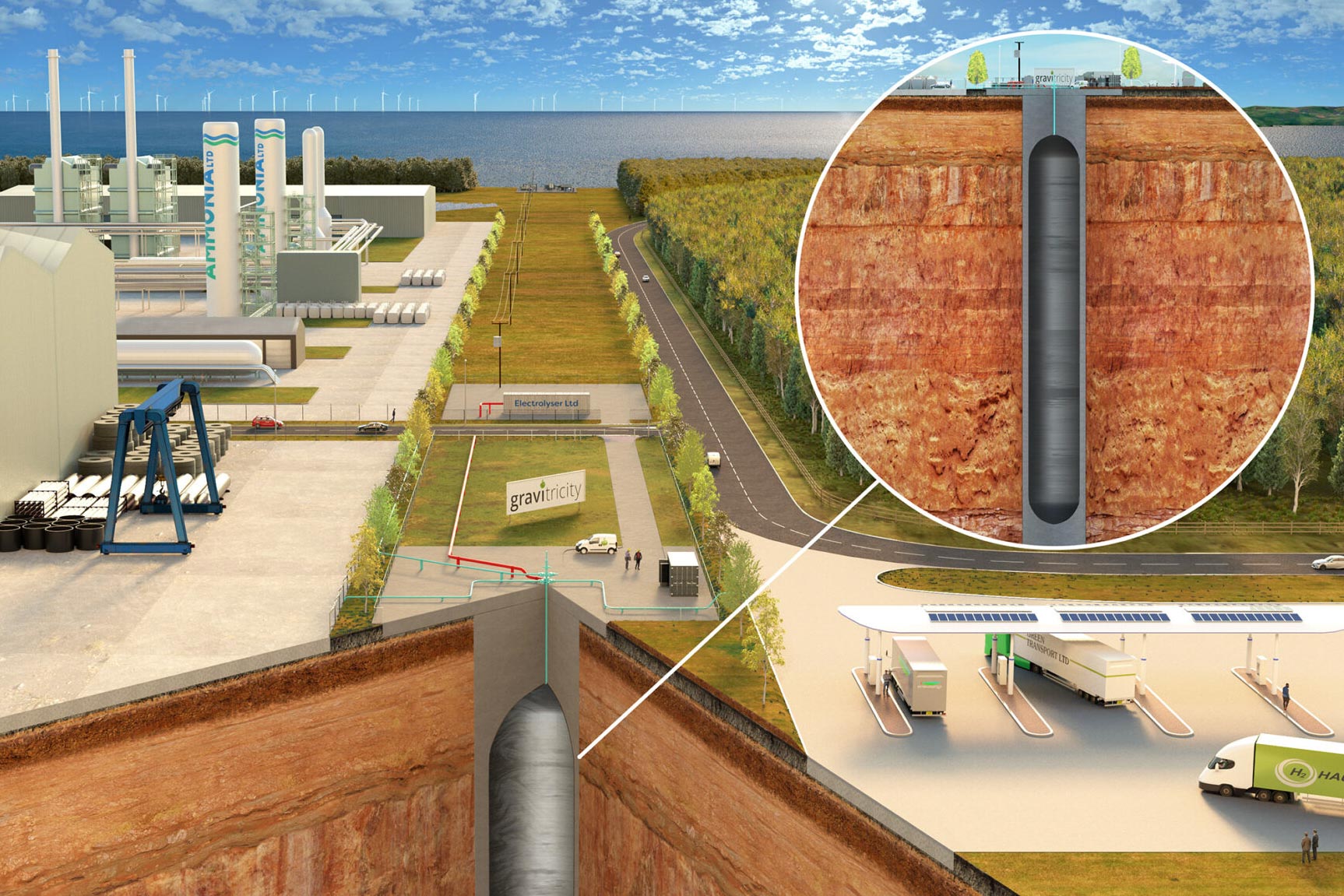
Future hydrogen gas networks will require additional storage to supplement linepack. Riptide successfully delivered the engineering design for the B-Linepack+ solution on behalf of Longitude Engineering as part of a £500k Ofgem SIF funded project led by National Gas Transmissions. This included the mechanical, structural, process and systems engineering of the novel sub-surface Lined Rock Shaft hydrogen storage technology, encompassing design, risk management, project planning, cost modelling, grant applications and more.
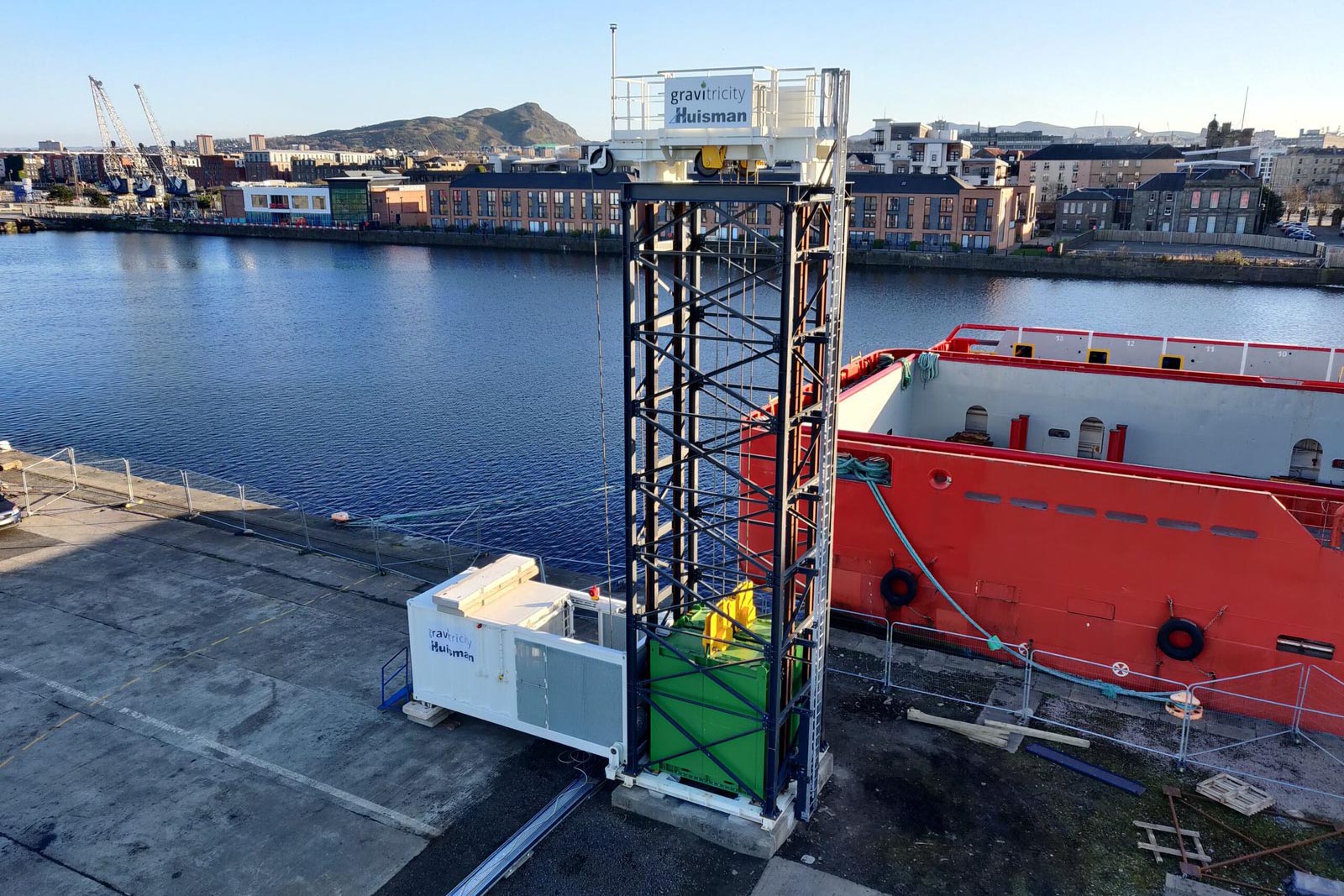
Steven led the mechanical and structural design of an innovative, grid-connected, gravitational storage device whilst working at Gravitricity. This involved the design, build, commissioning, testing and decommissioning of a 250kW demonstrator located in Edinburgh. The system allowed the team to successfully validate the safety, performance and commercial viability of the technology to provide energy storage to facilitate the uptake of renewable energy production. The project led to funded feasibility studies and funding opportunities for Gravitricity to advance the technology towards commercialisation.

Jack and Steven led the technology development of the mid-scale underground hydrogen storage technology H2FlexiStore at Gravitricity. They took the multi-disciplinary solution from idea to concept design maturity, ready to begin materials testing, detailed design studies and advanced numerical modelling investigations. Understanding how to bring new technology to fruition was critical, considering the novel solution storing a highly flammable hazardous gas. They built risk management systems, developed engineering strategy, and created a robust technical roadmap for progression.
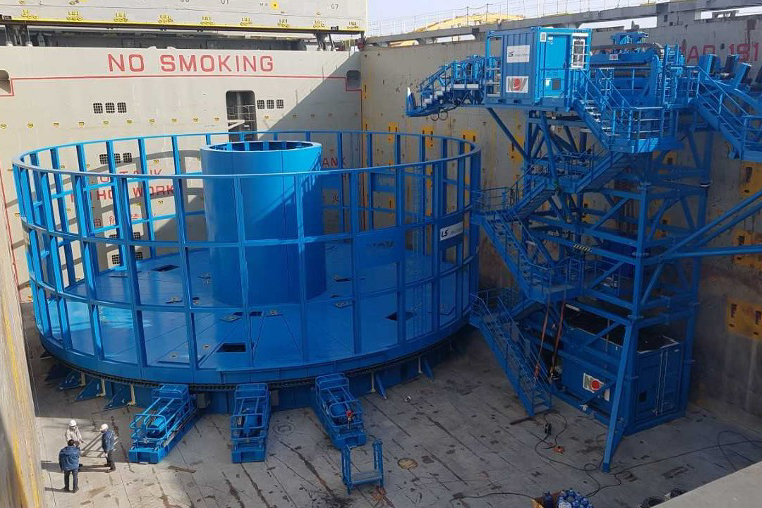
During Steven’s time at National Oilwell Varco (NOV), he was involved in multiple flex-lay and cablelay system designs. He was the technical and project lead for the design, fabrication, assembly and installation of a 5000-tonne cable carousel with loading tower and 2-track tensioner for LS Cables and Systems. The multi-disciplinary project was delivered to tight timescales and included design and build certification from DNV. The equipment went on to connect the Norther Offshore Windfarm to the Belgian grid.
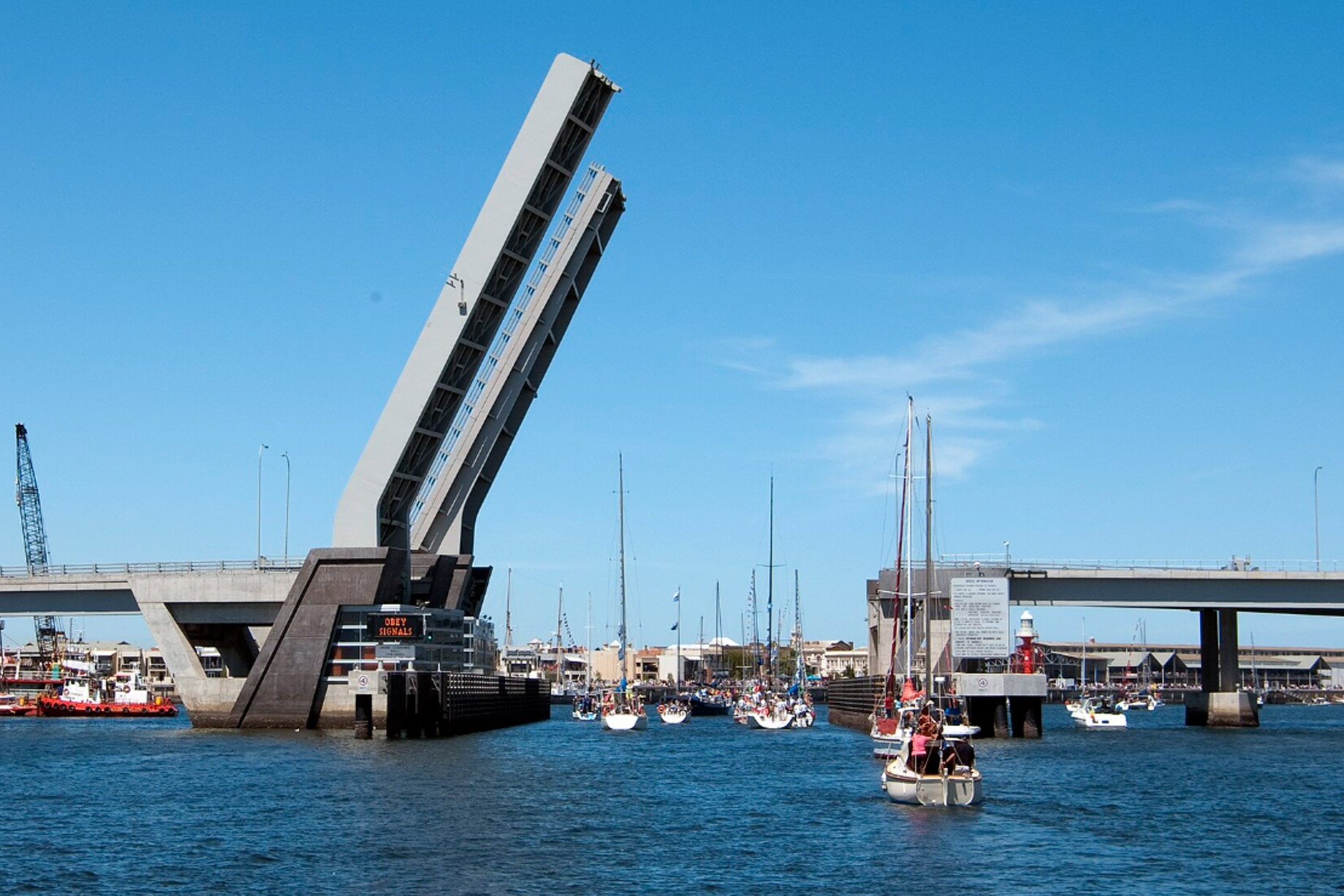
In 2008, Steven was part of the team responsible for the construction of two bascule bridges over the Port River in Adelaide, Australia. Steven led a team of mechanical fitters to install, align and commission the mechanical drive trains, focusing on quality control and mechanical performance. The bridges provided a vital connection between east and west of Port Adelaide while facilitating a clear passage for maritime traffic to reach the harbour.
Jack worked at Dyson delivering the engineering design for multiple new and novel wearable products including the Dyson Zone. When developing solutions for problems no one has solved, innovation and creativity is key. Working to tight timelines, costs and product requirements, Jack had to develop designs for key product sub-systems, upholding Dyson’s reputation for quality engineering and robust reliable products. He worked with engineering teams, suppliers and manufacturers from around the world to develop market leading solutions.
Whilst working for NOV, Steven was the lead mechanical and structural designer for a 350 tonne Reel Hub Drive System (RHDS). This was a multifunctional cable handling device, featuring hydraulic, electrical and mechanical systems, designed to be installed on vessel decks. The system was delivered to COOEC and has completed various flex/cable lay operations.
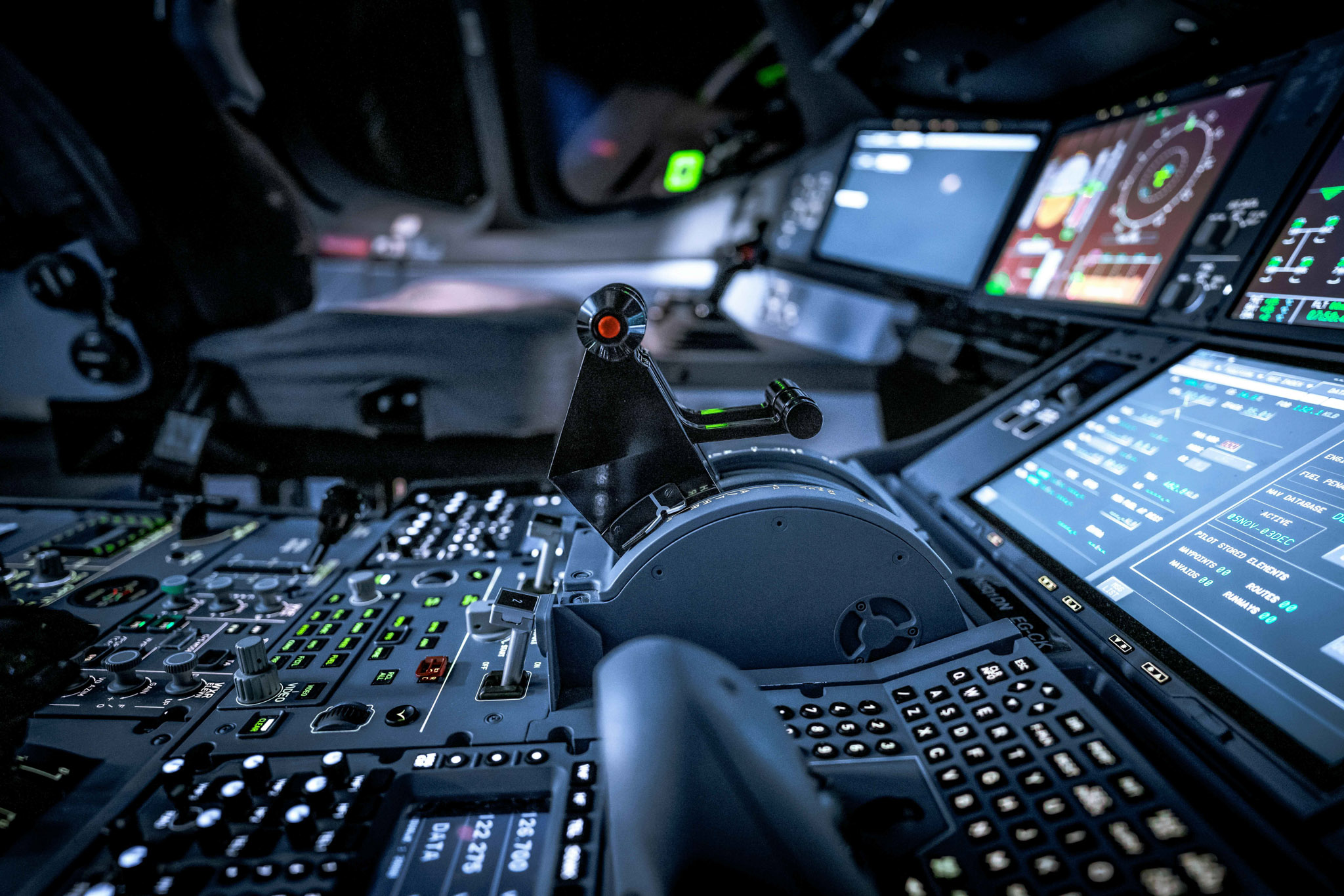
Jack developed the initial design for the Future Systems Simulator for Rolls-Royce which then went on to win an iF Design Award for Product User Experience (UX). The simulator is in regular use at the Aerospace Integration Research Centre at Cranfield University. It is designed to facilitate the simulation of future cockpit systems and setups to improve the safety and performance of flight. The work required multi-disciplinary technical and industrial design for a new approach to innovation in aerospace.
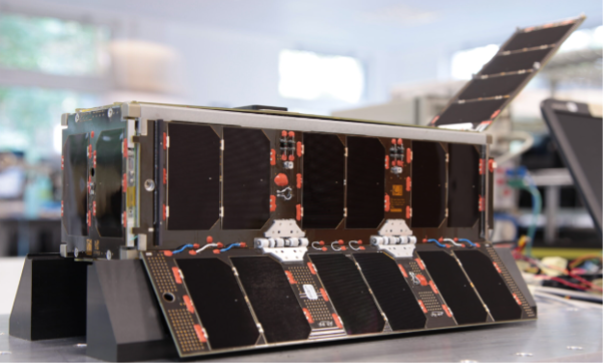
At AAC Clydespace, Steven was part of the team which designed, built and launched Ukube-1. Steven designed, prototyped and tested solutions for deployable solar panels, provided payload arrangement and analysed the thermal and vibration response of the satellite structure. The satellite launched from Baikonur Cosmodrome in 2014 and successfully completed its mission.
DCA delivered a six-meter section of train carriage as a training mock-up for the Tunnelling and Underground Construction Academy as part of Crossrail’s training program for the Elizabeth Line in London. Jack supported the work by designing critical actuating mechanisms for various sub-assemblies and then assembling the mock-up before transport to the training centre. This involved design simulations, design for manufacture, part assembly and testing.
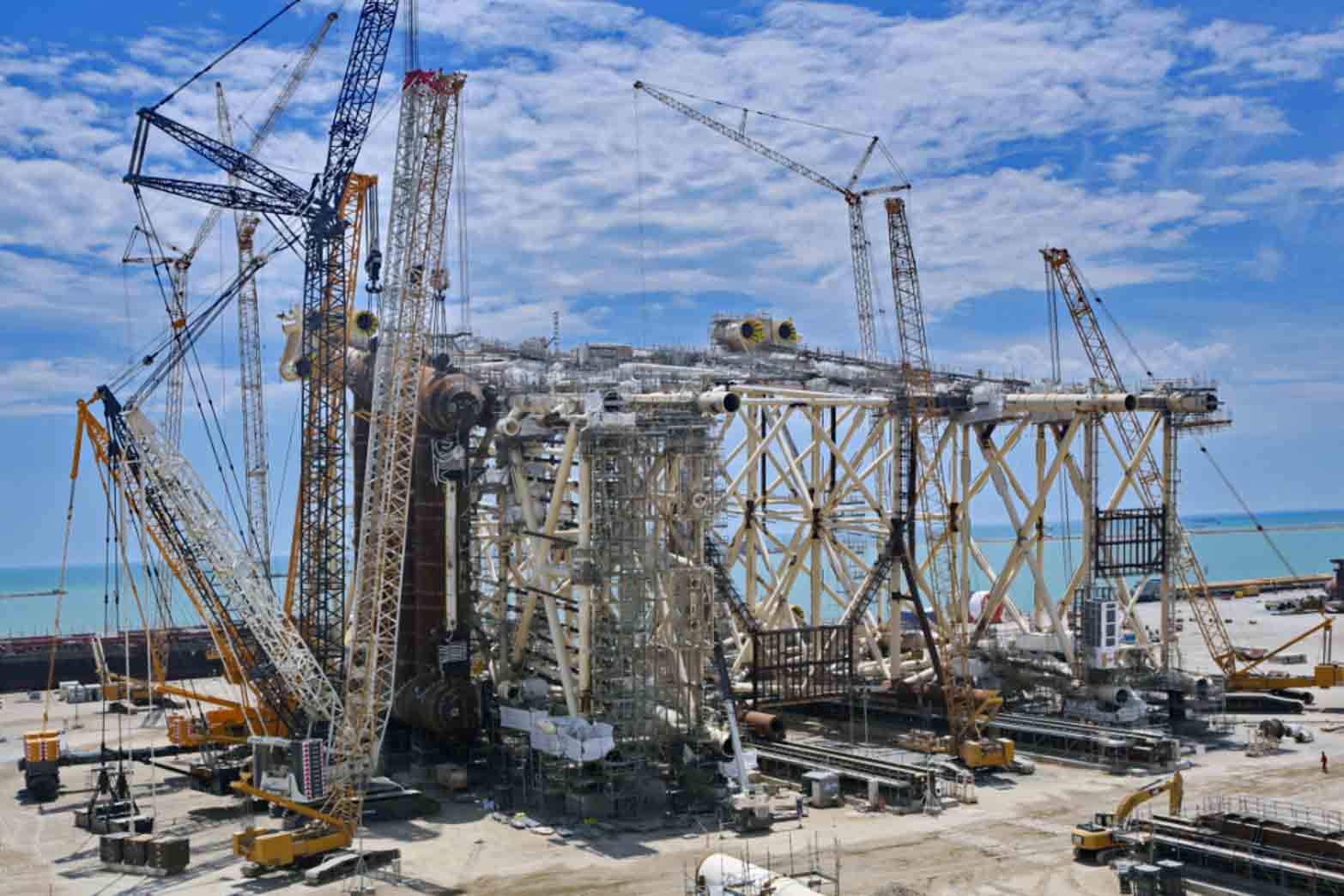
At NOV, Steven was responsible for the installation and commissioning of a hydraulic upending control centre (UCC) of the Shah Deniz 2 jacket. The project involved coordinating and quality control of multiple subcontractors in Baku, Azerbaijan. The UCC was used to upend and then flood and sink the jacket in the desired location. The jacket successfully launched in the Caspian Sea in 2017.
Jack.Trevail@riptide-engineering.com | Steven.Kirk@riptide-engineering.com